Drone Compliance & Training in the USA: The Foundation of Enterprise Drone Programs
Drone compliance and training define the success of enterprise drone programs in the USA. Learn why FAA-aligned frameworks, safety systems, and structured training matter.
Introduction
Drone adoption across the United States is accelerating rapidly. Enterprises, infrastructure companies, utilities, and government agencies are deploying drones for inspections, monitoring, and operational intelligence. However, many organizations discover that technology alone does not guarantee success.
The real challenge lies in drone compliance and training.
Without a structured, FAA-aligned approach, drone programs face regulatory risk, operational delays, insurance issues, and even complete shutdowns. This is why compliance and training are no longer optional—they are the foundation of sustainable enterprise drone programs.
What Drone Compliance Really Means in the USA
Drone compliance is often misunderstood as simply following basic flight rules. In reality, enterprise drone compliance is a multi-layered operational framework that includes:
-
Alignment with FAA regulations
-
Airspace awareness and authorization planning
-
Risk identification and mitigation
-
Operational documentation and accountability
-
Safety governance and oversight
For enterprises and government agencies, compliance must be embedded into daily operations, not treated as a one-time requirement.
Why Compliance Failures Are So Costly
Organizations that overlook compliance often experience:
-
Project delays due to airspace or regulatory issues
-
Regulatory penalties or enforcement actions
-
Insurance claim denials
-
Increased legal and reputational risk
In many cases, drone programs fail not because of technology limitations, but because compliance was addressed too late.
A proactive compliance strategy protects both operations and organizational credibility.
The Role of Training in Enterprise Drone Programs
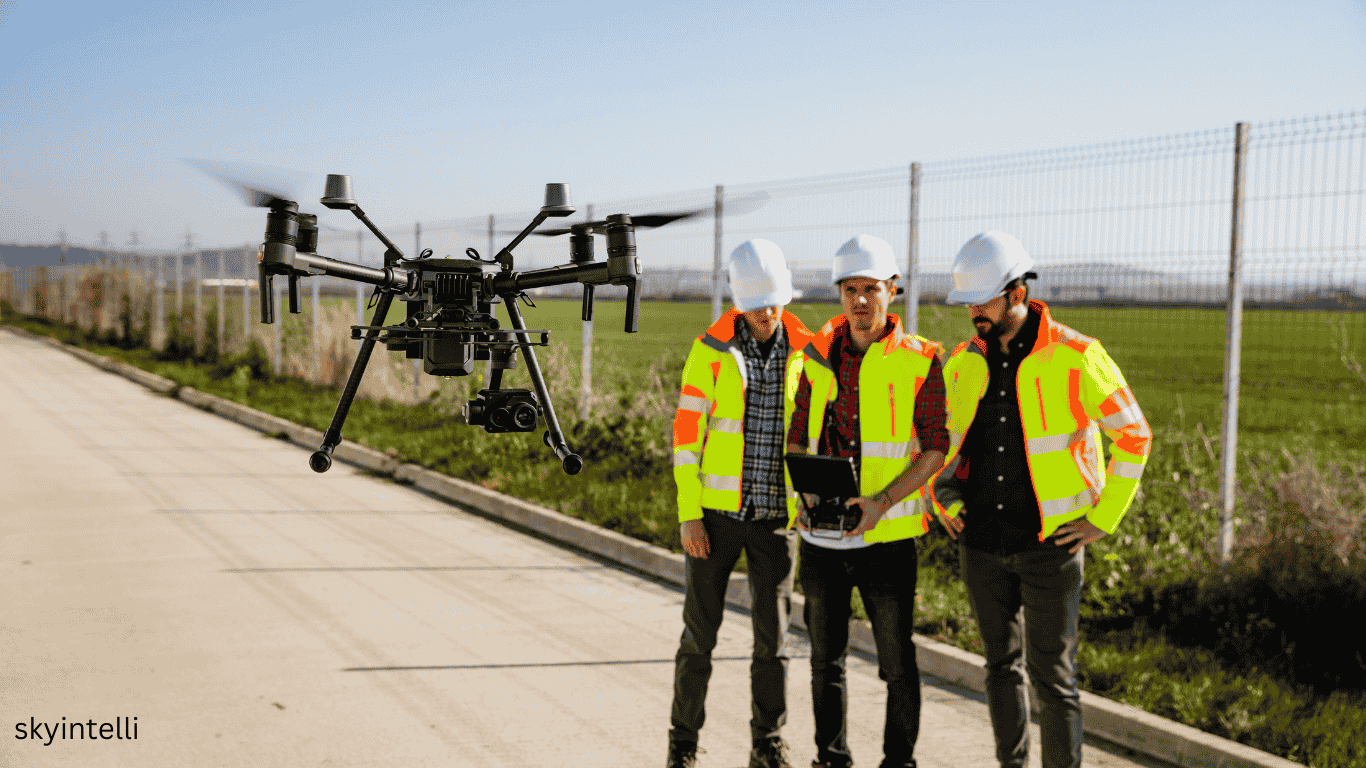
Training is one of the most overlooked elements of drone adoption. Many organizations focus solely on pilot certification, assuming that this alone is sufficient.
Enterprise drone training must go beyond basic piloting skills and include:
-
FAA compliance awareness
-
Operational safety procedures
-
Emergency response protocols
-
Mission planning and risk assessment
-
Management-level understanding of drone operations
When training is limited, drone programs become dependent on individuals instead of processes—creating long-term operational risk.
Drone Safety Management Systems (SMS)
For enterprise and government drone programs, a Safety Management System (SMS) is increasingly becoming an industry standard.
An effective SMS includes:
-
Hazard identification and reporting
-
Risk assessment processes
-
Incident documentation
-
Continuous improvement mechanisms
-
Defined safety accountability
SMS transforms drone operations from reactive to proactive, enabling organizations to manage risk systematically rather than through trial and error.
Government and Public Safety Drone Programs
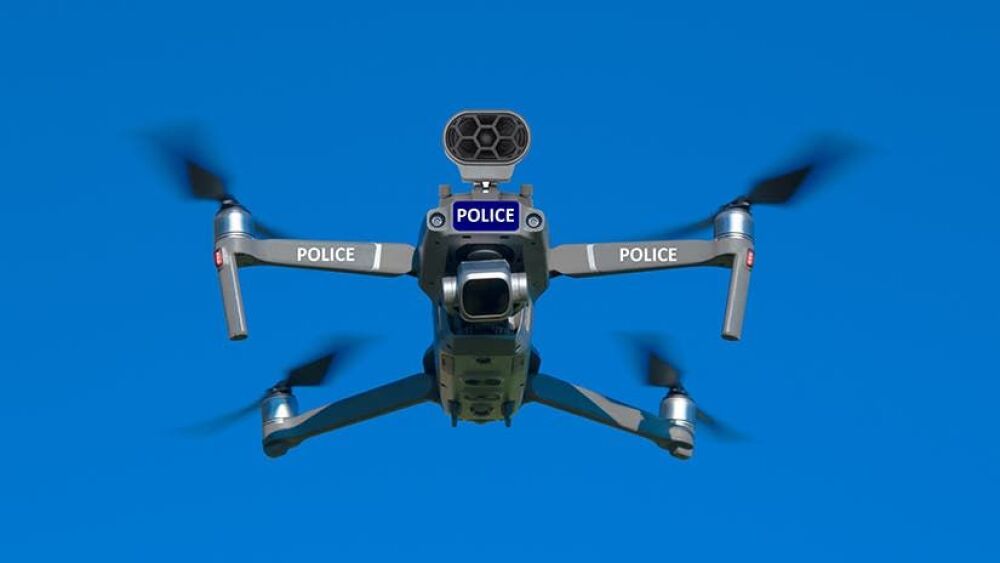
Government agencies and public safety departments operate under heightened scrutiny. Transparency, accountability, and safety are critical.
Drone compliance and training programs for public agencies must support:
-
Law enforcement operations
-
Fire and rescue missions
-
Disaster response and assessment
-
Search and rescue operations
Structured compliance frameworks ensure that drone programs remain legally defensible and operationally reliable during high-pressure missions.
Preparing for Advanced Operations and BVLOS
Beyond Visual Line of Sight (BVLOS) operations represent the next phase of enterprise drone adoption. However, BVLOS requires a significantly higher level of preparation.
Readiness for advanced operations involves:
-
Detailed risk assessments
-
Expanded training programs
-
Robust documentation and SOPs
-
Strong safety governance
Organizations that invest early in compliance and training are best positioned to adopt advanced drone capabilities when regulatory pathways allow.
Compliance-First, Training-Driven Strategy
A successful enterprise drone program is built on two pillars:
-
Compliance-first operational design
-
Training-driven execution
This approach ensures that drone operations remain scalable, defensible, and aligned with long-term organizational goals.
Companies that embed compliance and training from the beginning achieve better ROI, fewer disruptions, and greater internal confidence in drone operations.
Why Enterprises Choose Expert Guidance
Navigating drone compliance and training internally can be complex and resource-intensive. This is why many organizations partner with specialists like SkyIntelli to design structured, FAA-aligned drone programs.
A consulting-first approach helps organizations:
-
Avoid regulatory missteps
-
Build audit-ready documentation
-
Implement practical safety systems
-
Train both operators and leadership
Conclusion
Drone compliance and training are not administrative checkboxes—they are strategic enablers of successful enterprise drone programs in the USA.
Organizations that treat compliance and training as core operational priorities build drone programs that are safe, scalable, and future-ready. Those that ignore them face unnecessary risk and stalled adoption.
For enterprises and government agencies committed to responsible drone operations, compliance and training are the difference between experimentation and long-term success.